Newsroom
Visualising Sustainable Aviation Research for FIA26
As part of the FIA26 communication and dissemination activities, MINIMAL designed a series of eight posters highlighting the project’s research on climate-optimised aircraft propulsion. The posters present complex technical topics in a clear, accessible and visually engaging format.
The poster series includes:
Minimum Environmental Impact Ultra-Efficient Cores for Aircraft Propulsion
Introducing the MINIMAL project's vision for climate-optimised composite cycle engines, hydrogen combustion technologies and ultra-efficient propulsion systems for future aircraft. (Chalmers University of Technology)
Ultra-Low Emission Innovations for Mid-Century Aircraft Engines
Showcasing breakthrough propulsion technologies developed in the ULTIMATE project, the predecessor of MINIMAL. The poster highlights innovations such as constant-volume combustion, intercooling, recuperation, secondary combustion and bottoming cycles, which laid the foundation for the climate-optimised composite cycle engine concepts now being advanced within MINIMAL. (Chalmers University of Technology)
From Low-TRL Research to Climate-Neutral Aviation –
Presenting the ClimAvTech technology roadmap and the role of European collaboration in accelerating sustainable aviation innovation. (PNO Innovation)
Ultra-Low Emission Innovations for Mid-Century Aircraft Engines
Exploring breakthrough propulsion technologies for next-generation sustainable aviation. (Chalmers University of Technology)
Assessment of the Free Double Piston Composite Cycle Engine
Evaluating the performance, emissions and technology readiness of the Free Double Piston Composite Cycle Engine (CCE). The poster presents its potential to improve thermal efficiency and reduce fuel burn, while addressing key challenges such as NOx mitigation, component integration and the roadmap towards future deployment. (Bauhaus Luftfahrt)
Climate-Optimised Engine Design
Addressing both CO₂ and non-CO₂ effects in the design of future aircraft engines. (TU Delft)
FDP-CCE Thermal Management System Approach
Developing thermal management strategies for free double-piston composite cycle engines to improve efficiency and reduce emissions. (Aristotle University of Thessaloniki)
Composite Cycle Engines with Opposed Free Piston Cores to Minimise Climate Impact
Investigating advanced hydrogen-powered composite cycle engines with opposed free piston technology. (Cranfield University)
The poster series brings together some of the research being carried out within the MINIMAL project, highlighting new approaches to reducing aviation’s environmental impact. The posters were presented at FIA26 to share these developments with the wider aviation research community.
To keep up with the latest news, research highlights and events, follow MINIMAL on LinkedIn.
News & Events
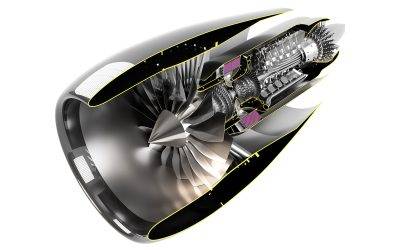
MINIMAL Project Showcases New Aircraft Propulsion Technologies at Farnborough International Airshow 2026
Farnborough, United Kingdom, 20 July 2026
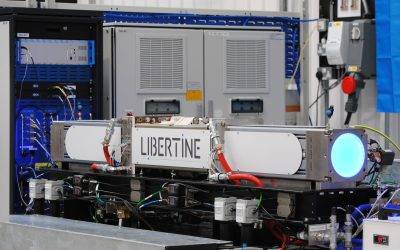
A major milestone for the MINIMAL project
Cranfield University has secured an Opposed Free Piston research engine to conduct proof-of-concept hydrogen combustion experiments.
MINIMAL Workshop at 14th EASN International Conference
Thessaloniki, Greece 10 & 11 October 2024 The MINIMAL project team will present cutting-edge research at the 14th International Conference in Thessaloniki, Greece on the 10th and 11th of October 2024. On 10 October 2024, MINIMAL will host a session at the EASN...
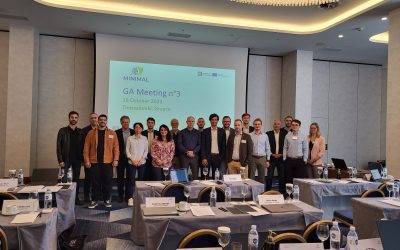
3rd General Assembly Meeting: Reshaping the Aviation Industry
MINIMAL Project’s 3rd general assembly meeting and a workshop for work packages 3 and 4 were hosted by AUTH in Thessaloniki, Greece on 16 October 2023.
2nd General Assembly Meeting: Unveiling progress and future plans
The 2nd GA online meeting featured detailed presentations on different work packages, providing a comprehensive overview of ongoing activities and plans.
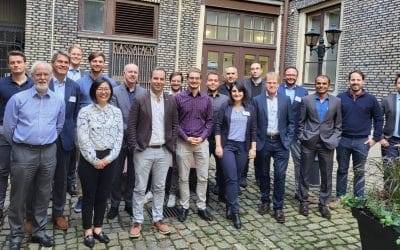
Successful Kick-Off for MINIMAL Project: Advancing Aviation Sustainability
The MINIMAL project kicked off its activities with a two-day hybrid meeting, at the new Chalmers facility at Göteburg, Sweden
MINIMAL on Twitter


💻 Successful completion of the 2nd Review Meeting for the #MINIMAL_EU project, reflecting on progress & setting course for next steps toward #SustainableAviation. ✈️🌍
Thanks to all participants for the constructive discussions & continued collaboration!
#AerospaceInnovation
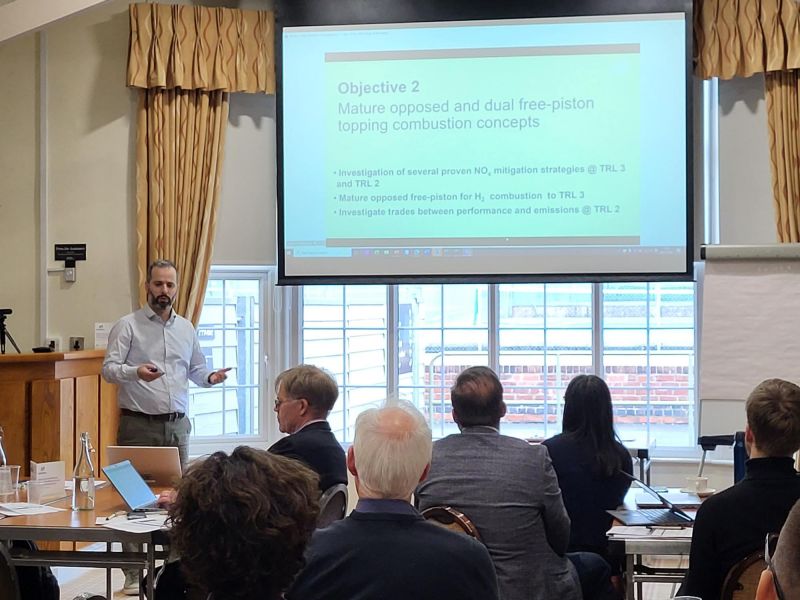
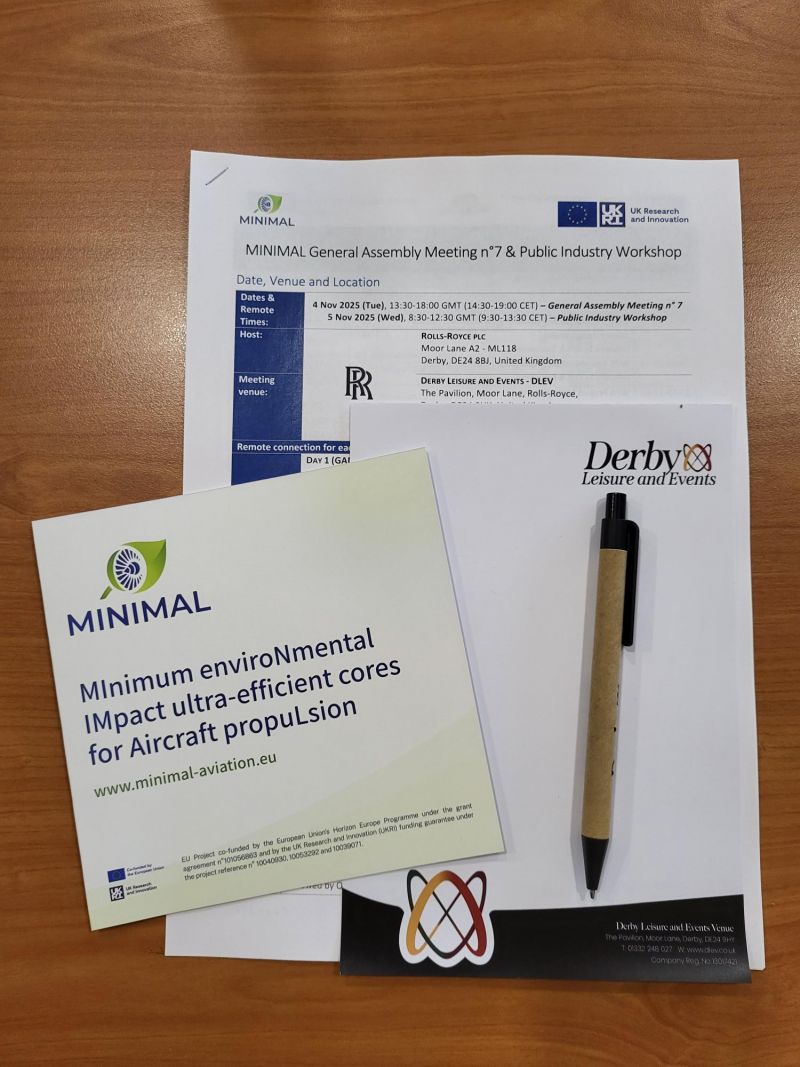
✈️ The #MINIMAL_EU partners kicks off their 7th General Assembly at @RollsRoyce in Derby 🇬🇧.
A perfect venue to discuss progress on #Propulsion, #ClimateImpact, #NOxReduction & #ThermalManagement. All driving toward #SustainableAviation 🌍
#HorizonEU
🚀 #MINIMAL_EU at #ViennaAviationDays 2025, Hosted by @exFan2024
@RealCarlosXisto from @chalmersuniv will present a poster on:
"Minimum environmental impact ultra-efficient cores for aircraft propulsion" ✈️🌱
#HorizonEurope #SustainableAviation #SustainablePropulsion
🚀 Kicking off the MINIMAL Project video series! ✈️
🎙️ Hear from #MINIMAL_EU's coordinator and partners at @ChalmersUniv discuss their efforts towards producing sustainable aircrafts.
📽️ Watch now https://youtu.be/mBUJTcmG9x8
#SustainableAviation #HorizonEurope #ClimateImpact
Last week’s MINIMAL Assembly was packed with energy and innovation! 💡✈️
We’re pushing ultra-efficient tech for climate-friendly aviation. 🌍
Thanks to all partners - the journey continues!
#SustainableAviation #Innovation #MINIMAL #HorizonEU
📢✈️🌍 Big step forward for the MINIMAL Project!
@CranfieldUni is advancing research into #SustainableAviationFuels & #hydrogen propulsion with an innovative free-piston engine. A key milestone on the path to net-zero aviation!#Nox #HorizonEU
🔗Read more: https://shorturl.at/u5hNn
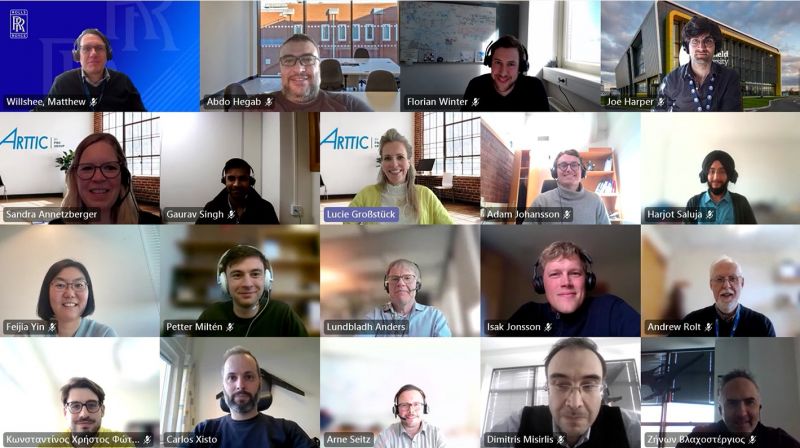
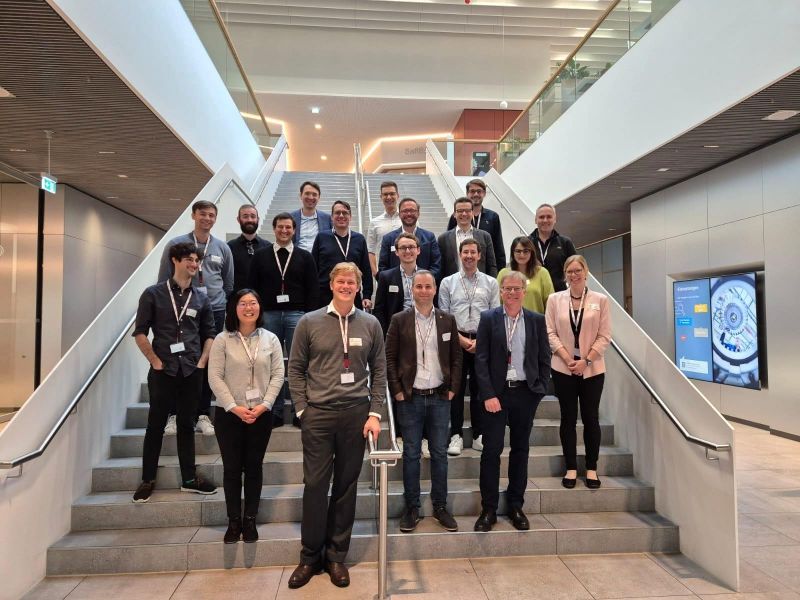
A snapshot of the 5th GA Meeting & industry workshop of MINIMAL. It was great to reconnect with all partners & the advisory board to review our achievements & discuss the work ahead. Through close collaboration, we’re committed to helping reduce #aviation’s #climate impact! ✈️🌎
The workshop continues with Florian Winter from Bauhaus Luftfahrt presenting on the initial performance synthesis of a #hydrogen fueled Free-Double #Piston Composite Cycle. #HorizonEurope✈️
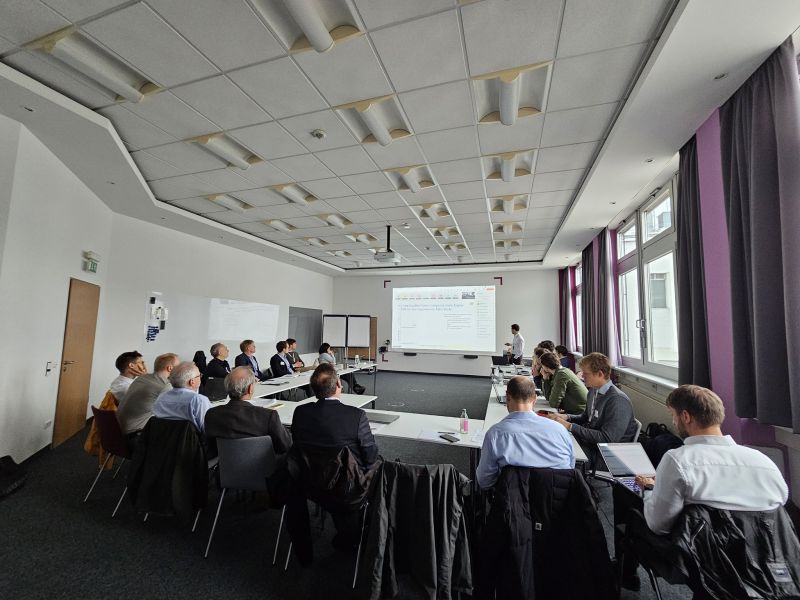
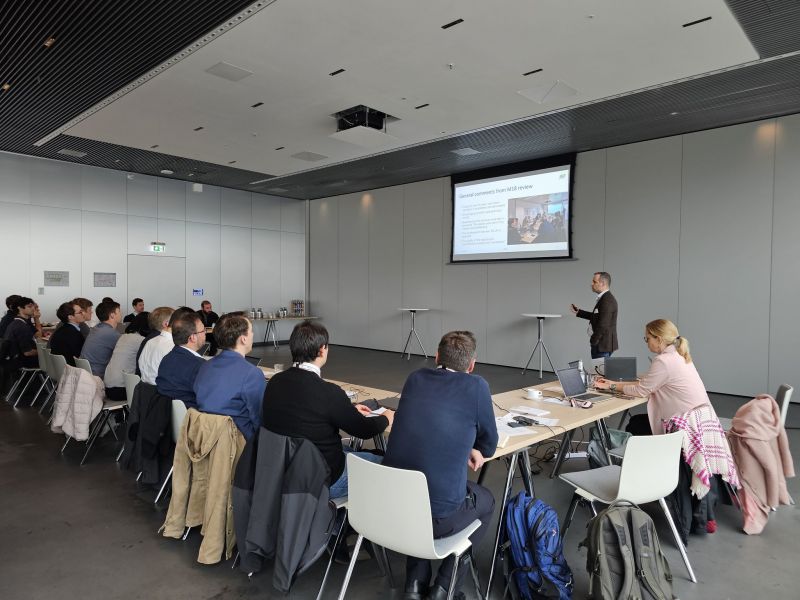
The GA Meeting of the MINIMAL Project has just begun. Coordinator Dr. @RealCarlosXisto is providing an overview of the project's current status. We are excited for this two-day event, which will be followed by an industry workshop tomorrow. Many thanks to @MTUaeroeng for hosting.
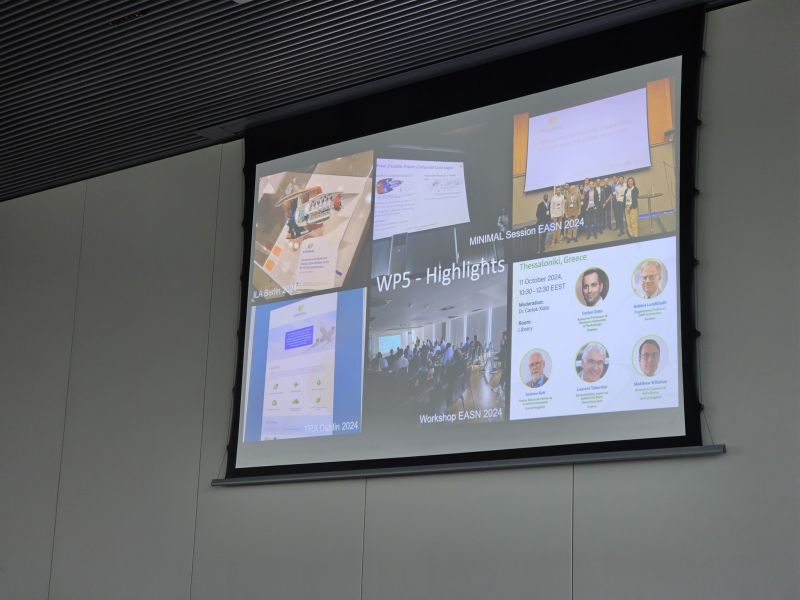
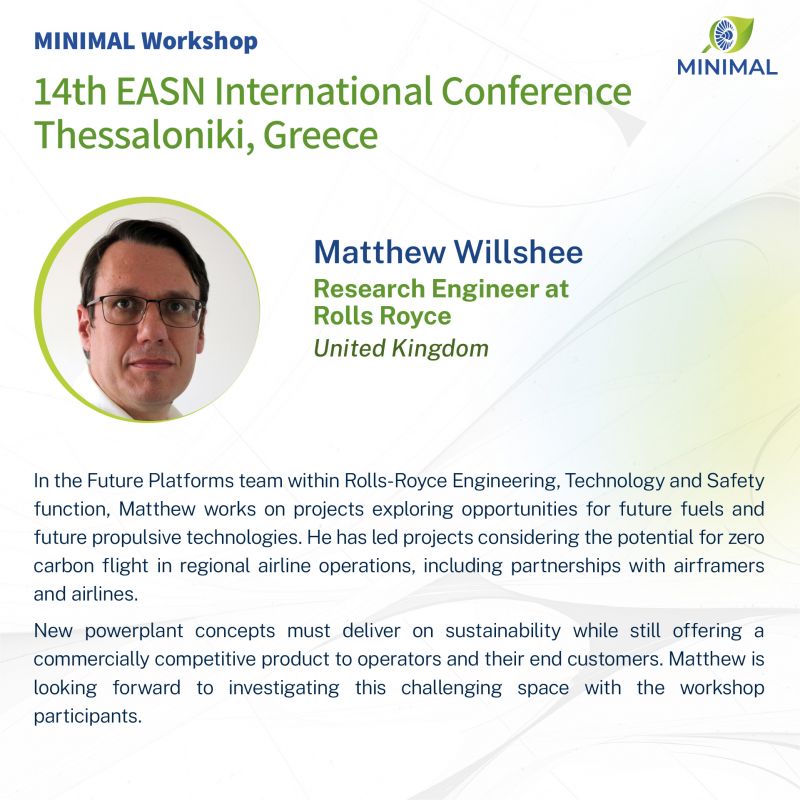
Thrilled to see Matthew Willshee from @RollsRoyceUK at the MINIMAL Workshop during the @EASN_Conference in #Thessaloniki, Greece🛩️ He's working on future #fuels, #propulsive technologies and #zero-carbon flight technology - paving the way for #sustainable #aviation. #EASN2024
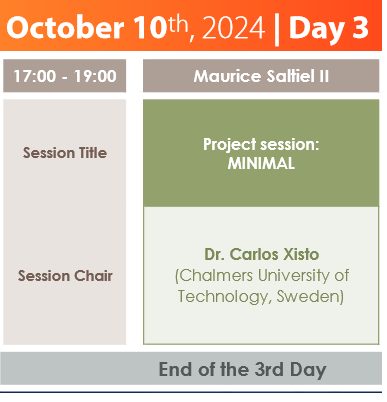
Be sure to attend the Project Session MINIMAL tomorrow, 10 October, from 17:00 to 19:00 at the Maurice Saltiel II Room at @EASN_Conference ! The presenters will share some fascinating insights from the MINIMAL project🤓
Laurent Tabernier, sustainability expert at the @eurocontrol, will be presenting at the @EASN_Conference in #Thessaloniki! Boasting more than 3 decades of involvement in international initiatives, he remains influential in advancing #eco-friendly air #traffic solutions🌱🛩️