
MINIMAL Project Showcases New Aircraft Propulsion Technologies at Farnborough International Airshow 2026
Farnborough, United Kingdom, 20 July 2026
Researchers from across Europe are showcasing the next generation of ultra-efficient aircraft propulsion technologies at the 2026 Farnborough International Airshow (FIA), taking place from 20 to 24 July. Now that the Horizon Europe project MINIMAL is entering its final phase, the consortium will present the latest research results showing how European innovation can help reduce fuel burn, lower emissions supporting the transition towards climate-neutral aviation.
Aviation will play a central role in Europe’s future transport system but achieving climate neutrality requires breakthrough propulsion technologies that reduce environmental impact while remaining compatible with future sustainable aviation fuels and hydrogen. MINIMAL addresses this challenge through a portfolio of innovative engine concepts for future commercial aircraft.
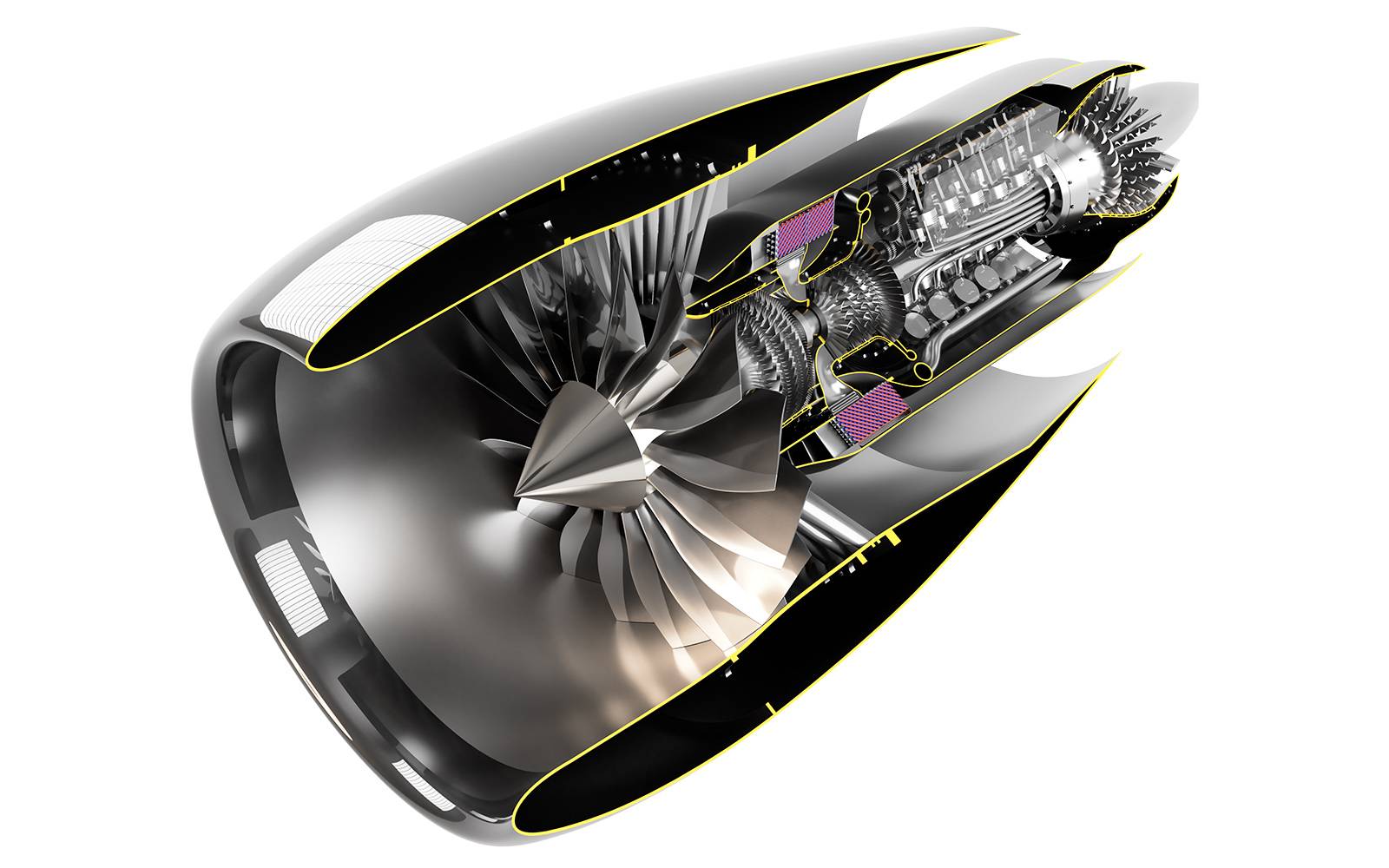
Exhibiting at Booth 1402 (Hall 1), the MINIMAL consortium showcases advanced Composite Cycle Engine technologies developed through a unique collaboration between leading European universities, research organisations and aerospace industry partners. Composite Cycle Engines combine the strengths of different propulsion concepts to improve efficiency while reducing environmental impact. The technologies display how these concepts could support future sustainable and hydrogen-compatible aircraft propulsion systems.
“Reducing aviation’s climate impact requires innovations that improve engine efficiency while remaining compatible with future sustainable fuels and hydrogen. MINIMAL has now reached the stage where we can showcase these technologies and exchange ideas with the international aerospace community. Farnborough provides an ideal opportunity to discuss how these technologies can shape the next generation of aircraft propulsion, including hydrogen-compatible systems.”
As a world’s leading aerospace exhibition, the Farnborough International Airshow provides a unique platform for industry, research and policy stakeholders to explore emerging technologies that will shape the future of aviation. Visitors will have the opportunity to experience MINIMAL’s technologies first-hand and discuss them directly with the researchers behind the project.
What will visitors see at FIA2026?
Visitors can explore MINIMAL through technology exhibits, technical posters and videos. The exhibition presents three complementary propulsion concepts illustrating different approaches to Composite Cycle Engine and hydrogen-fuelled propulsion.
Chalmers University of Technology will present the crankshaft-based Composite Cycle Engine, showing how combining piston engines with geared turbofan technology can improve engine efficiency while supporting advanced heat management for future aircraft.
The Aristotle University of Thessaloniki will present its Free Double Piston (FDP) concept. By removing the conventional crankshaft and gearbox, this design has the potential to improve fuel efficiency and reduce emissions for future long-range aircraft.
A further exhibit, provided by Libertine FPE Ltd., features models of opposed free piston (OFP) machines. Cranfield University and Rolls Royce propose using OFP technology in Composite Cycle Engines and Libertine has supplied a single-cylinder OFP research engine to study alternative models of hydrogen combustion that can minimise NOx emissions.
A series of technical posters presents an overview of the project’s research work, including climate modelling, Composite Cycle Engine design, hydrogen-compatible propulsion, low-NOx combustion, advanced thermal management and MINIMAL’s contribution to the ClimAvTech cluster. The Horizon Europe ClimAvTech Cluster brings together complementary research projects to accelerate the development of climate-neutral aviation technologies through joint dissemination, communication and scientific collaboration.
About the MINIMAL Project
MINIMAL (Minimum environmental impact ultra-efficient cores for aircraft propulsion) is a European research project funded by the European Union’s Horizon Europe Research and Innovation Programme (Grant Agreement No. 101056863) and by UK Research and Innovation (UKRI). Running from September 2022 to February 2027, the project brings together leading European universities, research organisations and aerospace industry partners to develop next-generation propulsion technologies for cleaner aviation.
Coordinated by Chalmers University of Technology (Sweden), the consortium consists of nine leading research and industry partners from across Europe, including Bauhaus Luftfahrt (Germany), Aristotle University of Thessaloniki (Greece), TU Delft (the Netherlands), GKN Aerospace Sweden, MTU Aero Engines (Germany), PNO Innovation Germany, and Cranfield University and Rolls-Royce plc (United Kingdom). The consortium brings together complementary expertise in aircraft propulsion, combustion, atmospheric science, thermal management, engine integration and aerospace engineering to accelerate the development of cleaner aviation technologies.
MINIMAL builds upon decades of collaborative European propulsion research, including the NEWAC, LEMCOTEC, ULTIMATE and ENABLEH2 projects, contributing to Europe’s long-term ambition of climate-neutral aviation.
Looking Ahead
Following FIA2026, MINIMAL will continue the experimental validation of its propulsion concepts, generating the data and experimental evidence to support future low-emission aircraft propulsion systems. The project’s final phase will contribute important scientific knowledge towards Europe’s long-term ambition of climate-neutral aviation.
Visit MINIMAL at FIA2026
Visitors are invited to meet the MINIMAL consortium throughout the exhibition to discuss the project’s technologies and their contribution to the future of sustainable aviation.
📍 Farnborough International Airshow, UK
📅 20–24 July 2026
📌 Booth 1402, Hall 1
Learn more at www.minimal-aviation.eu
Follow the MINIMAL journey: https://www.linkedin.com/company/minimal-project/